Public Place Falls: Navigating Complex Premises Liability Laws in Pennsylvania
When you venture into public spaces, whether it be a supermarket, a park, or a sidewalk, you expect these environments to be safe. Unfortunately, accidents can and do happen. Understanding the nuances of premises liability laws in Pennsylvania is essential for anyone who has experienced a fall due to unsafe conditions. This article will delve into the complexities surrounding public place falls, focusing on key aspects of Pennsylvania's legal framework.
Understanding Premises Liability
Premises liability refers to the legal responsibility of property owners and occupiers to ensure that their premises are safe for visitors. In Pennsylvania, this responsibility extends to both public and private properties. When an individual suffers an injury due to hazardous conditions—like wet floors in supermarkets or icy sidewalks—premises liability laws may allow them to seek compensation.
Types of Visitors
In Pennsylvania, visitors are categorized into three types: invitees, licensees, and trespassers. Each category has different rights and protections:
-
Invitees: These individuals enter the property for mutual benefit (e.g., customers in a store). Property owners owe them the highest duty of care.
-
Licensees: These are people who have permission to be on the property but do not provide any benefit to the owner (e.g., social guests). The duty of care here is lower than that owed to invitees.
-
Trespassers: Individuals who enter without permission are afforded minimal protection under premises liability laws.
Understanding your status when visiting a public place is crucial in determining whether you have a valid claim.
Common Causes of Public Place Falls
Accidents can occur for various reasons in public places. Here are some common scenarios:
-
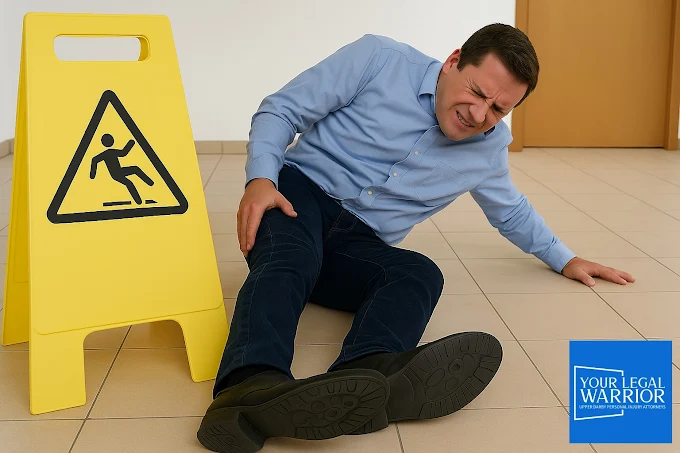
Wet Floors: Supermarkets often face lawsuits related to slip and fall incidents due to wet floors. If spills are not promptly cleaned up and marked with warning signs, property owners may be liable for injuries resulting from these falls.
-
Icy Sidewalks: In winter months, icy sidewalks can pose significant risks. Property owners have a duty to maintain safe walkways; failure to do so could lead to serious injuries.
-
Unsafe Stairs: Poorly maintained or designed stairs can cause falls as well. Whether it's missing handrails or uneven steps, negligent property maintenance can lead directly to injuries.
-
Obstructed Walkways: Items left in walkways often lead to trip hazards that can result in serious injuries.
Legal Considerations for Slip and Fall Claims
Filing a claim after experiencing a fall involves several key considerations:
Negligence
To succeed in a slip and fall lawsuit, you must prove negligence on the part of the property owner or manager. This typically involves showing that they knew about the dangerous condition (or should have known) and failed to take appropriate action to correct it.
Statute of Limitations
In Pennsylvania, there is a limited time frame within which you must file your claim following an accident—known as the statute of limitations. For personal injury cases like slip and falls, this period is generally two years from the date of the injury. Failing to file within this timeframe could result car crash lawyer in losing your right to compensation.
Burden of Proof
As an injured party, you carry the burden of proof in establishing that the property owner was negligent and that their negligence caused your injuries. This may involve gathering evidence such as photographs of the scene, witness statements, medical records documenting your injuries, and any previous incident reports related to similar hazards.


Pursuing Compensation
If you've been injured due to unsafe conditions in a public space, pursuing compensation is often possible through various channels:
-
Medical Expenses: This includes costs associated with hospital visits, treatments, rehabilitation therapies, and medications.
-
Lost Wages: If your injury prevents you from working temporarily or permanently, you may seek compensation for lost income.
-
Pain and Suffering: This encompasses physical pain as well as emotional distress resulting from your injuries.
-
Long-term Care Needs: In severe cases where long-term care is required due to permanent disabilities caused by a fall injury, these costs can also be included in your claim.
It’s advisable to consult with an experienced premises liability attorney who understands Pennsylvania’s laws regarding slip and falls before proceeding with any claims process.
Conclusion
Public place falls present unique challenges under Pennsylvania's premises liability laws. Understanding how negligence applies within these situations is vital for anyone contemplating legal action after an accident involving unsafe conditions—be it wet floors at supermarkets or icy sidewalks leading up to businesses.
If you find yourself involved in such an incident or know someone who has suffered from an injury due to negligent property maintenance or unsafe conditions, seeking professional legal guidance should be your first step toward recovery.
Frequently Asked Questions
- What should I do immediately after a slip-and-fall accident?
- Seek medical attention if necessary; document everything—including photos of the scene—and report the incident to management if you're at a commercial establishment.
- How long do I have to file my slip-and-fall claim?
- In Pennsylvania, you generally have two years from the date of your injury under the statute of limitations.
- Can I still recover damages if I was partially at fault for my fall?
- Yes! Pennsylvania follows modified comparative negligence rules which mean you can still recover damages if you're less than 51% at fault.
- Will I need witnesses for my case?
- While not mandatory, having witnesses can significantly bolster your case by corroborating your account of events.
- How much compensation can I expect from my fall injury claim?
- Compensation varies widely based on factors like severity of injuries and financial losses incurred; consulting with an attorney can provide clearer insights based on individual circumstances.
By understanding these critical elements surrounding public place falls and navigating Pennsylvania's premises liability laws effectively with professional assistance, injured parties can pursue justice more confidently while holding negligent parties accountable for their actions.